Health is more consistently shaped by small daily habits than by large, drastic changes. Tiny changes in your eating, sleeping, moving, and stress-reduction habits add up to improved mood, energy, and long-term disease prevention over time.
Why Little Habits Outperform Big Goals
Because they require too much willpower in a short period of time, big resolutions frequently fall short. Modest, repeated actions are easier to sustain and result in more consistent health improvements, according to behavior research. Your body and mind begin to change with even short walks, one healthier snack, or a little reduction in screen time.
Health organizations and clinics emphasize that, when done consistently, small adjustments like eating more vegetables, getting more exercise during the day, and getting better sleep lower the risks of obesity, diabetes, and heart disease. The goal is to take small, manageable steps that you can continue for years, rather than striving for perfection.
1. Sleep: The Button for Your Nightly Reset
Why getting enough sleep is a fundamental habit
Nearly all of your body’s systems are supported by sleep. Hormone regulation, immunity, brain protection, and emotional equilibrium are all enhanced by adequate sleep. Conversely, long-term sleep deprivation is associated with an increased risk of weight gain, diabetes, depression, and heart issues. The majority of adults require seven to nine hours of good sleep every night, but many people don’t get enough due to irregular schedules, late-night work, or screens. One of the most effective habits you can alter is getting more sleep.
Little sleeping practices that have a significant impact
You only need a more relaxed and consistent routine, not a flawless one:
Establish a sleep window: Make an effort to go to bed and wake up at roughly the same time every day, even on the weekends.
Make a wind-down lasting 20 to 30 minutes: Stretching, light music, reading, or even just breathing can take the place of late scrolling.
Cut back on bright screens at least 30 to 60 minutes before bed to help your brain get ready for sleep.
Make the bedroom sleep-friendly by making it quiet, dark, and a little chilly. Even minor adjustments, like wearing earplugs or an eye mask, can be beneficial.
For a few weeks, start with just one change, like a regular bedtime. After just a few nights of better sleep, many people report feeling happier and having more energy.
2. Food: Modest Improvements, Not Severe Diets
How small dietary decisions affect health Every meal is an opportunity to give your body better “instructions.” Digestion, heart health, brain function, and weight management are all supported by gradually switching from highly processed foods to more whole, nutrient-dense options. Most of the time, better patterns are more important than a complex diet plan.
Simple dietary adjustments, like reducing sugar and adding vegetables, are linked with lower inflammation and reduced risk of chronic disease.Daily food habits you can start today Try one or two of these small shifts: Add, don’t only remove: Add at least one extra serving of vegetables or fruit daily—on your plate, in a snack, or in a smoothie.Balance your plate: Aim for a mix of vegetables, protein (beans, lentils, eggs, fish, tofu, lean meats), and whole grains at main meals.Upgrade one snack: Swap chips or sweets for nuts, seeds, yogurt, or fruit at least once per day.
Increase your water intake by keeping a bottle close at hand and taking sips throughout the day. Hydration promotes healthy skin, kidneys, brain function, and digestion. The
Reduce sugar-filled beverages gradually: Reducing sugar-filled drinks gradually reduces caloric intake and aids in blood sugar stabilization. The
Although these adjustments seem insignificant at first, they gradually enhance energy, digestion, and long-term health indicators when made on a daily basis. The
3. Motion: Micro-Exercises for Busy Lives
Why “exercise snacks” are effective
To reap the benefits of movement, you don’t need to spend hours in a gym. Short, frequent bursts of exercise enhance circulation, lower blood pressure, lessen stress, and aid in weight management, according to research and clinical experience. Endorphins, which improve mood and lower anxiety, are released by even a quick daily stroll.
Sedentary behavior, or sitting for long periods, is now seen as a separate risk factor for chronic diseases, even in people who only exercise occasionally. Breaking up sitting time is a strong health habit on its own.
Simple ways to move more every day
These small habits fit into busy schedules:
10–20 minute walk: After meals or during breaks; even walking once a day improves circulation and helps control blood sugar.
Take the stairs when you can: Climbing one or two flights at a time builds leg strength and heart health over weeks.
Movement breaks each hour: Stand, stretch, or walk for 60 seconds after every 45–60 minutes of sitting.
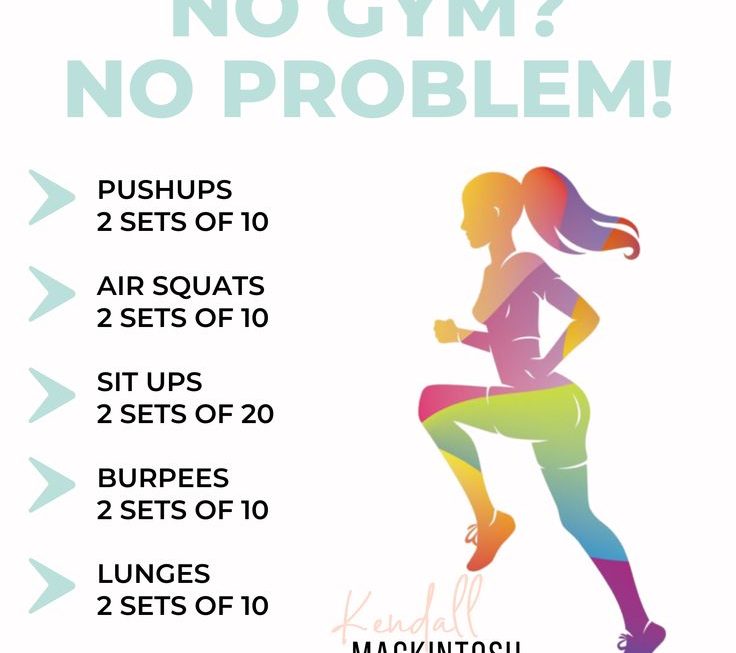
“While waiting” exercises: Do a few wall push-ups, squats, calf raises, or stretches while waiting for coffee, food in the microwave, or calls to connect.
Active social time: Occasionally replace sitting meetups with walks, light sports, or outdoor activities with friends or family.
These small movements add up to meaningful daily activity. They improve heart health, joint mobility, and mental clarity without needing a formal workout session.
4. Stress and Mental Wellbeing: Protecting Your Inner Balance
How lifestyle affects mental health
Lifestyle choices impact mood, focus, and emotional strength. Chronic stress without recovery time can disrupt hormones, sleep, appetite, and immune function. Research shows that even small changes, like breathwork, mindfulness, or gratitude, can promote better mental health over time.
Experts point out that smaller adjustments feel less daunting and are easier to maintain, making them particularly beneficial for emotional wellbeing.
Micro-habits for a calmer mind
You can start with very simple practices:
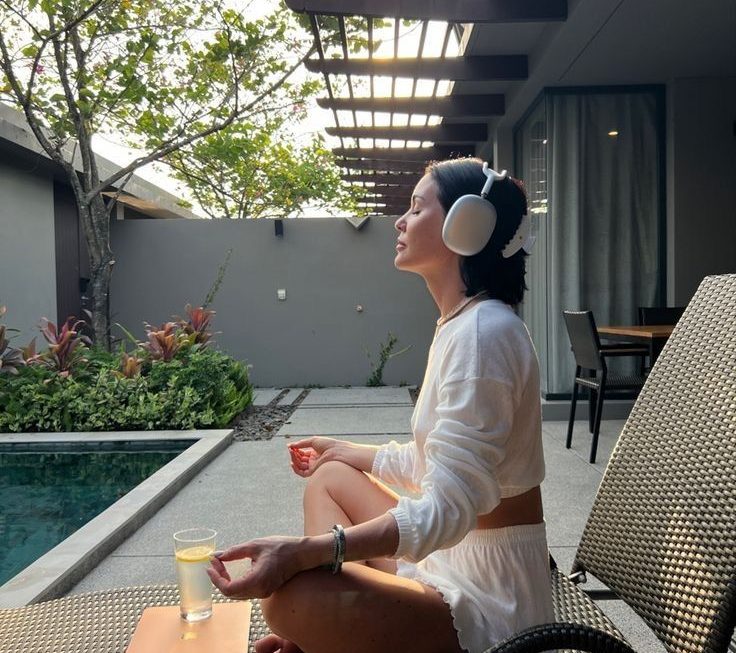
2 to 5 minutes of breathing daily. Slow, intentional breathing can quickly lower stress and improve emotional control.
Mindfulness or meditation “mini-sessions.” Just a few minutes of focusing on your breath, body sensations, or sounds can boost calm and self-awareness.
Gratitude notes at night. Writing down three things you’re thankful for helps create a more positive mood and lower stress.
Reduce mindless scrolling. Set limits on social media or phone use, especially before sleep. Keep a book or journal nearby as an alternative.
Talk to someone. Regular, meaningful conversations with friends, family, or professionals help you process emotions and reduce feelings of isolation.
If stress, low mood, or anxiety feel overwhelming or last a long time, reaching out to a mental health professional is an important and brave next step.
5. How to Build Small Habits That Actually Stick
Why small equals sustainable
Behavioral science describes “micro-habits” as tiny, intentional actions that need little effort and are linked to existing routines. These habits work because they are easy enough to keep doing even on busy or stressful days.
Experts suggest connecting new actions to a “trigger” you already have, such as after brushing your teeth, making tea, sitting at your desk, or returning home. Over time, your surroundings and routines will start to remind you of the habit.
Practical steps to grow your daily habits
You can follow this simple approach:
1. Choose one habit per section
Sleep: fixed bedtime
Food: one extra vegetable per day
Movement: one 10-minute walk
Stress: two minutes of breathing before bed
2. Make it very small at first
Instead of “walk 30 minutes,” start with “walk 10 minutes.” Instead of “meditate 20 minutes,” start with “breathe deeply for 2 minutes.”
3. Attach it to something you already do
After lunch, take a 10-minute walk.
After brushing at night, spend 2 minutes breathing.
When you make tea or coffee, drink one glass of water.
4. Track and celebrate small wins
Simple tracking—like marking a calendar, using a notes app, or a habit tracker—helps you see progress and stay motivated.
If you miss a day, just restart the next day without feeling guilty. Consistency over months is much more important than perfection over a few days.
Start With One Small Change Today
Small daily habits can really change your health when repeated over time. Better sleep, healthier meals, more movement, and a few minutes of mental reset each day create a stronger foundation for your body and mind.
Instead of asking, “How can I change everything?”, ask:
“What is one tiny habit I can start today that my future self will appreciate?”
Choose one habit from this blog—maybe drinking an extra glass of water, taking a short walk after lunch, or turning off screens 30 minutes before bed—and start today. Your long-term health comes from these small, repeated choices.